

Here we go again. The Trump administration has proposed to overhaul livestock grazing regulations for Bureau of Land Management (BLM) public lands, aiming to “Make America Graze Again” by eliminating the safeguards intended to prevent grazing damage and the environmental analysis required to assess impacts to wildlife, watersheds, wildlands, and other uses and values on our public lands. The new rules would curtail opportunities for public participation in management decisions, while expanding grazing across tens of millions of acres—including in sensitive areas that have been protected from livestock for decades.
There is so much wrong with this proposal, including for ranchers who depend on healthy, resilient public lands for their livelihood. Yet, on one point, I can agree with the administration: Something has to change. Current grazing policy is failing to conserve public lands, waters, and wildlife and is not at all suited to the mounting ecological challenges reshaping the American West, especially its vulnerable sagebrush steppe. We need to modernize a system developed for a different era to respond to climate change, invasive species, increasingly severe wildfire, accelerating habitat loss, and evolving public expectations. Public lands grazing management must be based in science; it should prioritize ecological integrity, support resilient native ecosystems, and ensure that livestock use is compatible with long-term conservation objectives.
Livestock grazing—mostly cattle, but also sheep, horses, and even goats—is the most pervasive use permitted on the public domain and has been a source of political contention for generations. Democratic and Republican administrations alike have tinkered with or entirely overhauled grazing regulations, while Congress has repeatedly intervened with its own proposals and stipulated appropriations. The result has been decades of policy whiplash, entrenched ideological battles, and little meaningful progress toward managing public lands in ways that sustain healthy ecosystems and provide stability to ranchers.
The Sagebrush Sea could disappear within a century, although a functional sagebrush ecosystem could be lost even sooner.
I have spent my career immersed in this debate across the vast western Sagebrush Sea, an expansive, evocative landscape that once covered parts of what became 13 western states and three Canadian provinces. For decades, I have worked to protect greater sage-grouse and other native wildlife, wilderness, and watersheds across tens of millions of acres of publicly owned sagebrush grasslands. I also contributed three chapters to Welfare Ranching, a landmark critique of the ecological, fiscal, social, and economic consequences of livestock grazing on public lands.
Over the past several years, I have also made a deliberate effort to better understand other views on grazing management, including those of public lands ranchers, range scientists, and agency land managers. These conversations unfolded across Oregon's incomparable high desert, where I joined the BLM's Southeast Oregon Resource Advisory Council, participated in dozens of collaborative meetings, and attended “field days” at the Northern Great Basin Experimental Range, where researchers present their observations on grazed and ungrazed sagebrush ecosystems.
After years of listening, learning, and time in the field, one conclusion became increasingly clear: Current grazing management is not just failing the Sagebrush Sea—it is fundamentally out of step with the latest science. Even range scientists who strongly support public lands grazing recommend a different approach than the system the BLM currently applies across 60 million acres, amounting to a little more than half of what remains of this ecosystem.
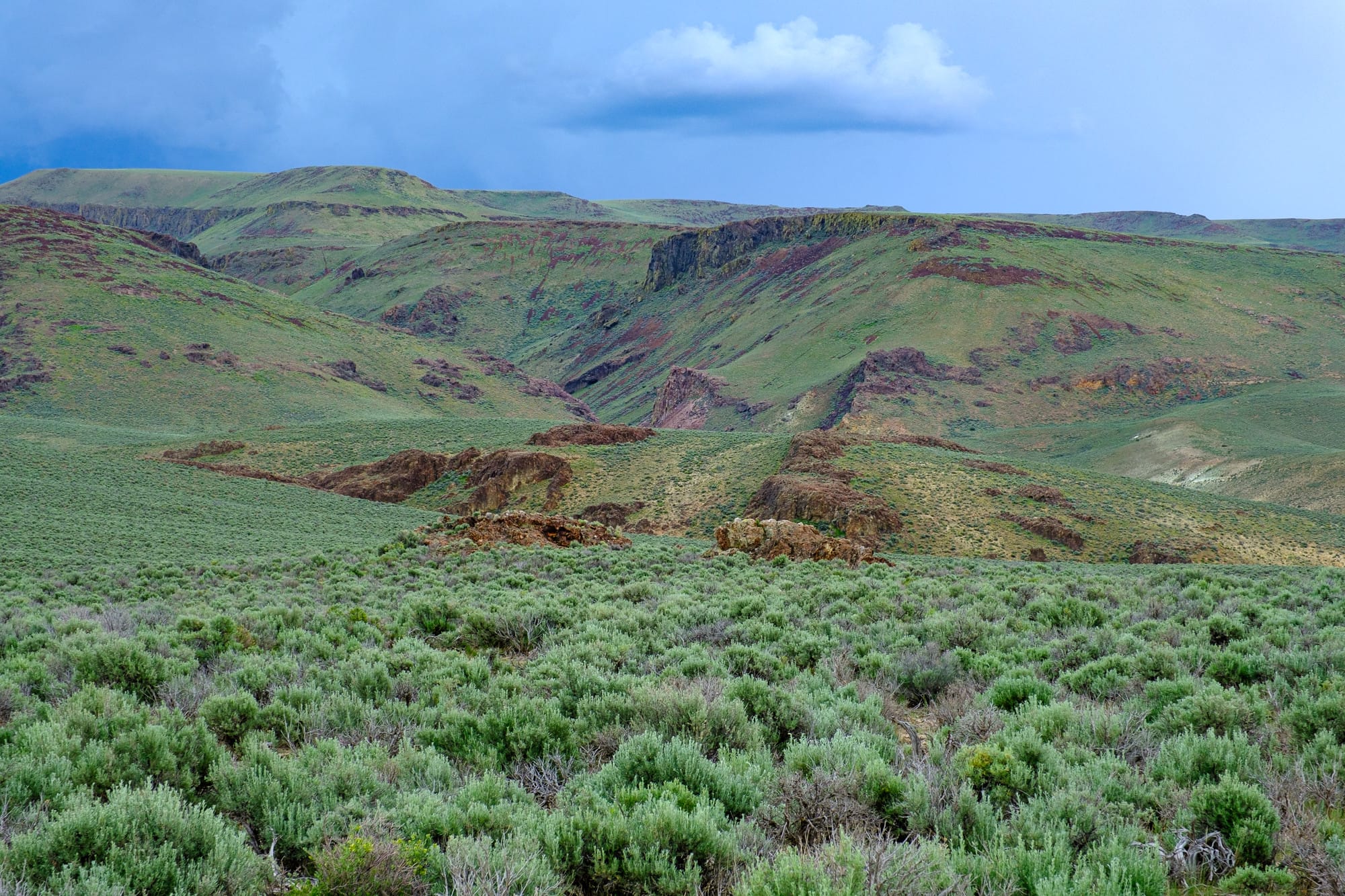
An Endangered Sagebrush Sea
The sagebrush steppe is suffering from an unprecedented convergence of threats from climate change, invasive species, and increasingly severe wildfire. Aggressive, exotic annual grasses such as cheatgrass outcompete native vegetation and create continuous fine fuels that promote more frequent and destructive fires. The invaders then reestablish quickly after burning, locking landscapes into a destructive grass-fire feedback loop. At the same time, hotter temperatures, prolonged drought, and earlier snowmelt driven by climate change are elevating wildfire risk while reducing resiliency of native vegetation and its ability to recover following fire. These interacting stressors are accelerating the fragmentation and loss of the Sagebrush Sea, degrading and eliminating habitat for hundreds of native species in one of North America’s most imperiled ecosystems.
We need to modernize a system developed for a different era to respond to climate change, invasive species, increasingly severe wildfire, accelerating habitat loss, and evolving public expectations.
The most recent comprehensive assessment paints a sobering picture: the Sagebrush Sea is losing an average of 1.3 million acres per year–an area larger than Grand Canyon National Park–as habitat crosses ecological thresholds from sagebrush steppe to systems progressively dominated by invasive annual grasses, from which restoration is nearly impossible. So profound is this transformation that some scientists have begun calling these exotic monocultures a distinct new ecosystem: Intermountain West Annual Grasslands. If this rate of loss continues, the Sagebrush Sea could disappear within a century, although a functional sagebrush ecosystem could be lost even sooner.
Recognizing that neither time nor resources are sufficient to restore the entire ecosystem, a broad coalition of scientists, land managers, conservation organizations, and government agencies recently subdivided the biome into “core sagebrush areas,” “growth opportunity areas,” and “other rangeland areas” to triage management and save the best remaining sagebrush habitats in the West. This conservation design reflects an urgent effort to protect the West's most intact sagebrush landscapes and restore areas with the greatest potential for recovery. Thousands of pages of scientific literature published in recent years have explored how to conserve sagebrush steppe, converging on the need to defend core habitat, restore resilient landscapes, and reduce the chronic stressors that erode ecosystem integrity. For public lands, achieving these goals requires managing livestock grazing in ways that are compatible with the ecological needs of sagebrush ecosystems.
The Need for Public Lands Grazing Reform
Livestock grazing can have myriad impacts on sagebrush steppe. Livestock alter the composition and structure of native plant communities through herbivory and trampling; compact and erode soils; reduce biological soil crusts that stabilize soils and prevent the spread of invasive species; facilitate the spread of invasive grasses and noxious weeds; degrade springs, streams, wetlands, and riparian areas; alter nutrient cycling and hydrologic processes; disturb and displace native wildlife and reduce habitat quality for species such as greater sage-grouse, pygmy rabbit, pronghorn, native trout, and migratory birds; and diminish the resilience of sagebrush ecosystems to drought, climate change, and wildfire.
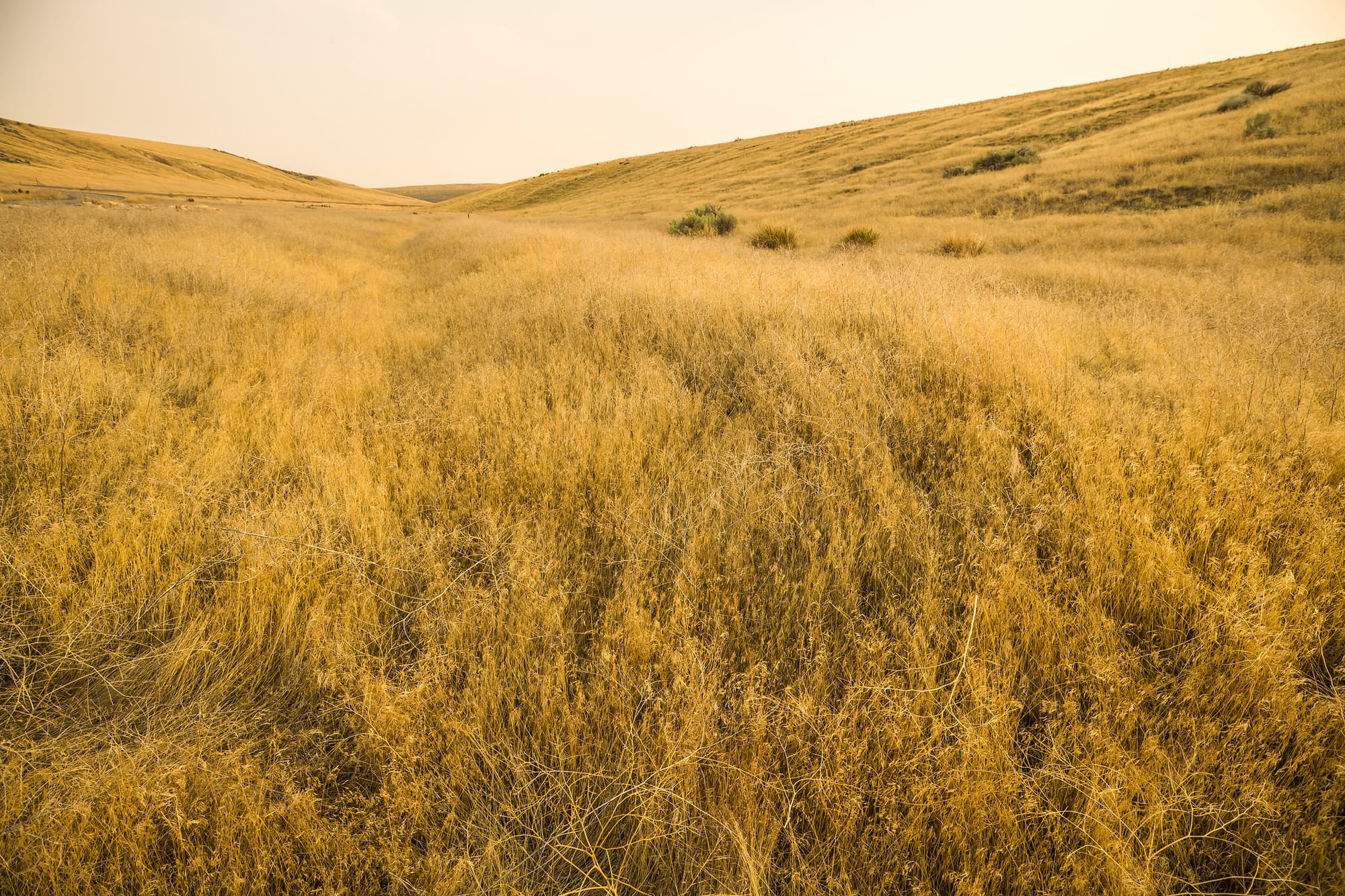
Public lands grazing as currently administered is a relic of a bygone era, when the primary goal was to stabilize western ranching and sustain livestock production on the public domain. The legal framework established by the Taylor Grazing Act of 1934 and in the multiple-use provisions of the Federal Land Policy and Management Act of 1976 are designed to continue public lands grazing while attempting to minimize impacts, rather than to determine whether, where, and how to manage grazing under changing conditions. This paradigm was never particularly effective; today, it is incapable of providing for ecological integrity and resilience of sagebrush ecosystems under existential threat.
Current grazing management is not just failing the Sagebrush Sea—it is fundamentally out of step with the latest science.
The Trump administration’s proposed regulations would further entrench the current bankrupt system. But both science and the declining health of the landscape recommend a different approach. Range scientists have steadily compiled a record of research and demonstration projects finding that closely monitoring and periodically adjusting and adapting grazing to ecological conditions—altering variables like stocking rates, grazing intensity, seasonal use, and the duration and frequency of grazing—can help balance livestock production with conservation and restoration of sagebrush habitats. But the BLM has failed to implement these recommendations, in some cases due to political, fiscal, or legal impediments foisted on the agency. Instead, managers resort to the same outdated system, where livestock are regularly turned out in early spring and might wander around allotments for six months before being rounded up again in the fall.
The path forward relies on scientifically viable, adaptive land management—and it is a path that all stakeholders can take together. Consider grazing “utilization” rates, for example. An increasing number of studies, including those produced by institutions that ardently support public lands grazing, find that reducing the amount of vegetation that livestock consume can advance shared conservation and land management goals. The BLM typically permits livestock to take up to 50 percent of native grasses, adhering to an old-timey “take half, leave half” approach, even as published authority dating back to 1999 defines “moderate” grazing at 35-45 percent utilization for arid landscapes.
More recently, experts have recommended managing grazing at 25-30 percent utilization to promote sage-grouse conservation. This lower rate enables both native grasses and livestock to maximize their productivity, while allowing room for error in forage production estimates, accommodating the potential effects of drought, and supporting other multiple-use values. (One of the longest, most involved and widely publicized grazing studies of the last decade found that grouse could persist where livestock consumed 22 percent of available forage.)
An adaptive grazing program would require ranchers to change how they operate on public lands, even as modernizing grazing management would improve ecological conditions and thus the sustainability of their livestock operations. For wealthy and large corporate grazing permittees, of which there are many, implementing a more ecologically responsive grazing regime on our public lands should simply be borne as a cost of business. For smaller operations, federal policy should redirect the $2.5 billion in annual federal subsidies currently spent on public lands grazing to support their transition to the new system. Finally, for those who’d rather retire their grazing permits than reconfigure their operations, Congress should establish a voluntary program to compensate them, similar to past federal buyouts offered to tobacco growers and peanut farmers.
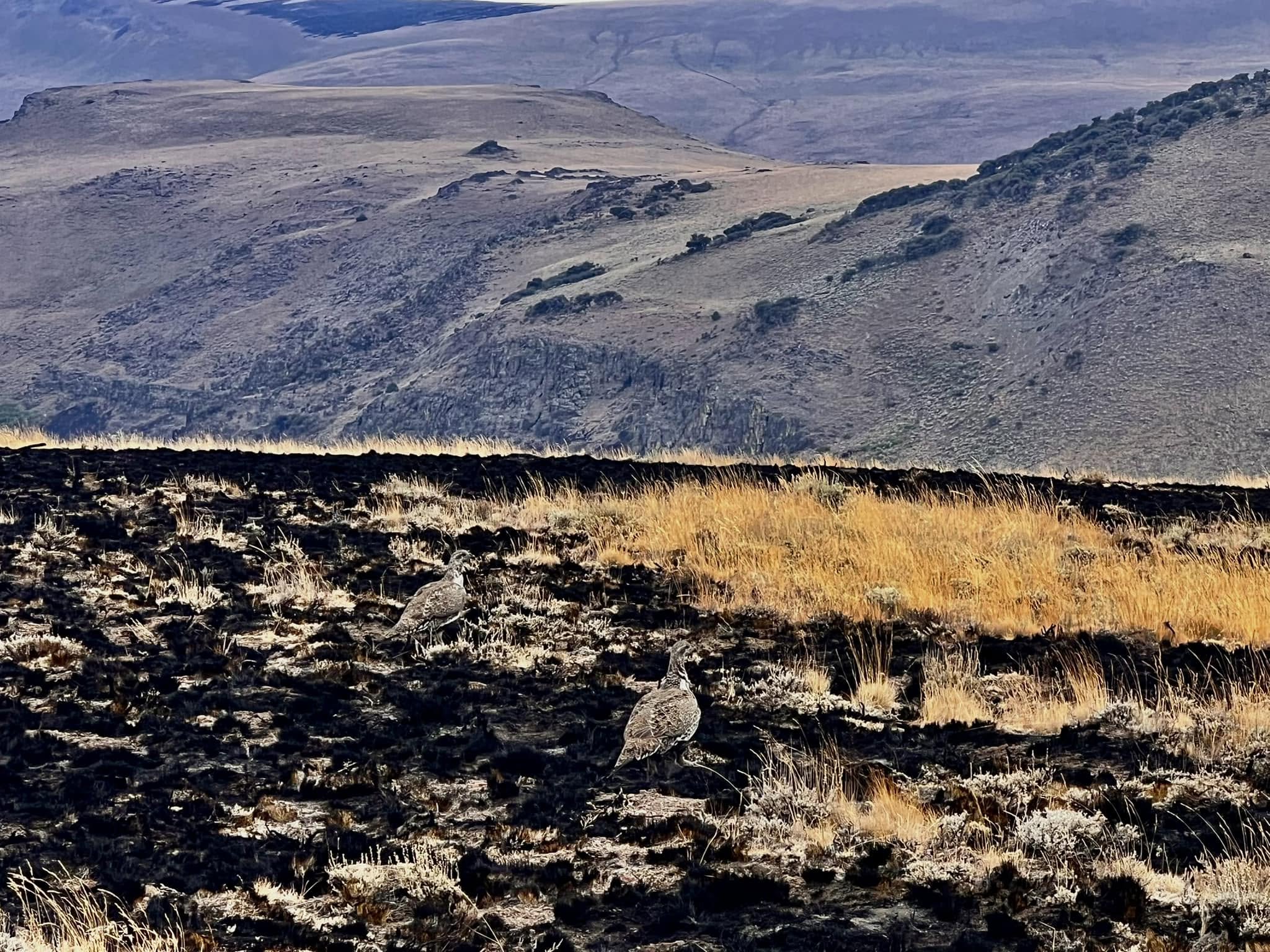
If public lands ranchers are expected to adapt to a new grazing system, the conservation community should also be willing to meet them halfway by exploring with scientists whether and how livestock could be strategically deployed to advance shared objectives. In some instances, carefully monitored grazing might help control invasive species and reduce wildfire risk. Even as domestic livestock have contributed to the deterioration of the Sagebrush Sea, researchers at the Northern Great Basin Experimental Range have spent years investigating how cattle could be put to work restoring–or at least sustaining–what remains of the ecosystem. Their work is interesting, if also still incomplete. During the 2026 Range Field Days, researchers demonstrated how fire behaves differently in ungrazed sagebrush steppe, lightly grazed landscapes, and areas heavily dominated by cheatgrass. They recommend using livestock to reduce fine fuels, including cheatgrass, to lessen wildfire intensity and even limit fire size, improving the prospects for native vegetation to recover after fire. These findings warrant continued investigation and rigorous testing through replicated studies across the Sagebrush Sea to better understand where, when, and under what conditions grazing can contribute to conservation and ecological restoration.
The professionals at the BLM and the Department of the Interior should be the most eager to reform the federal grazing program, along with any administration that wants to finally put an end to the western range war. The current program is broken, with tens of millions of acres failing to achieve basic land health standards. Congress and a succession of administrations have declined to provide the BLM with resources, capacity, and a policy framework necessary to redress the damage. And, of course, the Trump administration’s “DOGE”-ing of the agency has exacerbated problems. A single BLM range conservationist in eastern Oregon might now be responsible for managing 100 grazing allotments spanning more than a million acres, an impossible workload. Restructuring public lands grazing into a system that ranchers, conservationists, and public lands managers can all support might finally attract the fiscal and policy support needed to do grazing right.
A New Range Management
Recognizing that our understanding of sagebrush ecosystems will continue to evolve, that management must adapt to changing conditions, and that scientists, conservationists, ranchers, land managers, and elected officials will continue to debate the details, there is clearly a need to fundamentally reform public lands grazing in ways that strengthen both conservation and sustainable livestock grazing in the Sagebrush Sea.
If public lands ranchers are expected to adapt to a new grazing system, the conservation community should also be willing to meet them halfway by exploring with scientists whether and how livestock could be strategically deployed to advance shared objectives.
Following are a half-dozen priorities for improving the BLM’s stewardship of our publicly owned sagebrush steppe.
- Refocus federal administration of public lands grazing in the Sagebrush Sea so that conservation and restoration of native ecosystems and natural processes are primary objectives, while still supporting other uses and values, and so management decisions explicitly address, and are responsive to, climate change, invasive species, wildfire, and ecosystem resilience.
- Transition from forage-based livestock management to results-based management that uses the best available science, regular monitoring, measurable ecological outcomes, and adaptive management to determine where, when, and how livestock grazing can contribute to conservation of climate- and fire-resilient sagebrush ecosystems.
- Redirect federal subsidies and investments associated with public lands grazing toward helping grazing permittees transition to ecologically sustainable grazing systems, including infrastructure improvements, meaningful monitoring, and range improvements that benefit ecosystem function.
- Establish a voluntary grazing permit retirement program that fairly compensates grazing permittees for their investment in public lands ranching, while creating new conservation and management opportunities, including ungrazed refugia, reserve grazing allotments, and greater flexibility for adaptive management.
- Reduce the ecological impacts of grazing infrastructure by strategically managing fences, water developments, and roads to protect wildlife habitat, maintain connectivity, and support functioning ecosystems.
- Invest in a comprehensive Sagebrush Sea conservation and restoration initiative that prioritizes protection of remaining core sagebrush areas, expansion and restoration of growth opportunity areas, recovery of degraded landscapes, and collaboration among public agencies, Tribes, ranchers, conservation organizations, and local communities, with the goal of diversifying and sustaining regional economies.
These recommendations won’t resolve every challenge facing the Sagebrush Sea nor satisfy every concern raised by stakeholders. But even as I write this essay, nearly one million acres of publicly owned sagebrush steppe is on fire in Oregon’s high desert, and tens of millions more acres of sagebrush habitats are poised to burn across the West. These landscapes will not recover to the same level of ecological viability, productivity, and resiliency that they exhibited prior to burning unless we change how we manage them. The status quo is no longer appropriate, or even relevant, to the ecological realities confronting this ecosystem. For the future of this iconic landscape—and the wildlife, watersheds, communities, and many Americans who enjoy and depend on it—this is not only a good place to start, but a necessary one.


